SEANNET Surabaya: Kolaborasi Peneliti, Anak Muda dengan Warga Peneleh

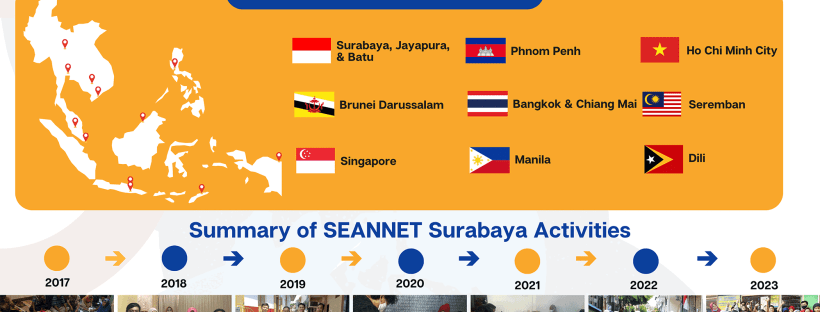
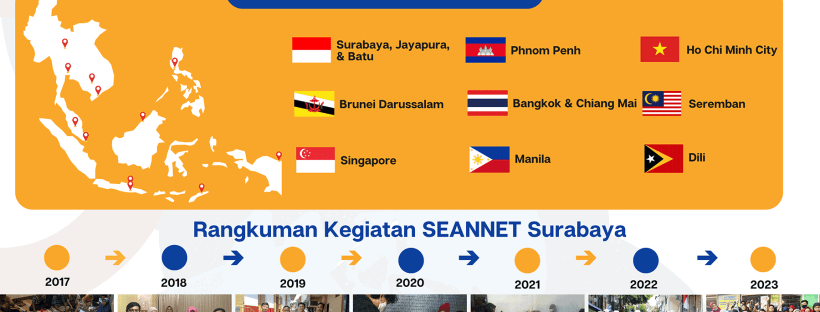
Southeast Asia Neighborhoods Network (SEANNET) adalah sebuah inisiatif penelitian, pengajaran dan penyebaran pengetahuan tentang kota-kota Asia melalui perspektif kehidupan sehari-hari masyarakat perkotaan. Universitas Airlangga, bersama dengan dosen dan staf muda dari Fakultas Ilmu Budaya, aktif terlibat dalam SEANNET Surabaya, dengan objek penelitian yaitu Kampung Peneleh.  SEANNET Surabaya adalah bagian dari jaringan yang tersebar di berbagai … Continue reading SEANNET Surabaya: Kolaborasi Peneliti, Anak Muda dengan Warga Peneleh
SEANNET Surabaya: Collaborative Efforts of Researchers and Youth with Peneleh Residents

The Southeast Asia Neighborhoods Network (SEANNET) represents an initiative dedicated to researching, educating, and disseminating knowledge about Asian cities through the lens of everyday urban life. Universitas Airlangga, along with faculty members and young staff from the Faculty of Humanities, actively participates in SEANNET Surabaya, with a focus on Kampung Peneleh as the research subject. … Continue reading SEANNET Surabaya: Collaborative Efforts of Researchers and Youth with Peneleh Residents

New publication! On rhythmanalysis in Saigon

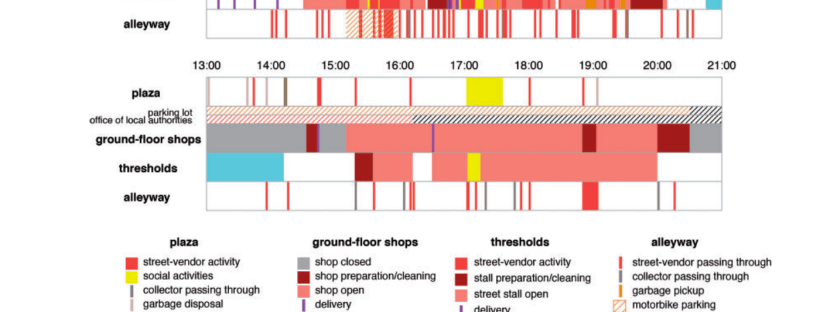
We are very happy to share news of the publication of Marie Gibert's paper on rhythmanalysis in Saigon (online first) in Environment and Planning C! Full citation: Gibert-Flutre Marie, « Rhythmanalysis: Rethinking the Politics of Everyday Negotiations in Ordinary Public Spaces », Environment and Planning C: Politics and Space, 2021, Online first. https://journals.sagepub.com/doi/10.1177/23996544211020014?icid=int.sj-full-text.citing-articles.1 Access the paper here A rundown … Continue reading New publication! On rhythmanalysis in Saigon

(post/de)Colonial thinking: where can we begin?

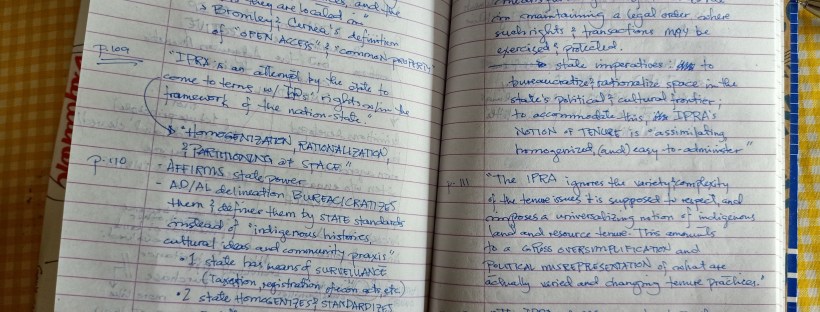
By Christina M. Sayson Colonialism is a complicated subject. Unlearning the damage that colonialism (in its many forms) has wrought can be a challenging, deeply personal process, and the question of where to even begin can be an overwhelming one. This link offers a brief, crowdsourced list of readings for people interested in learning about … Continue reading (post/de)Colonial thinking: where can we begin?

Moments of daily life in Thingazar Creek Neighbourhood

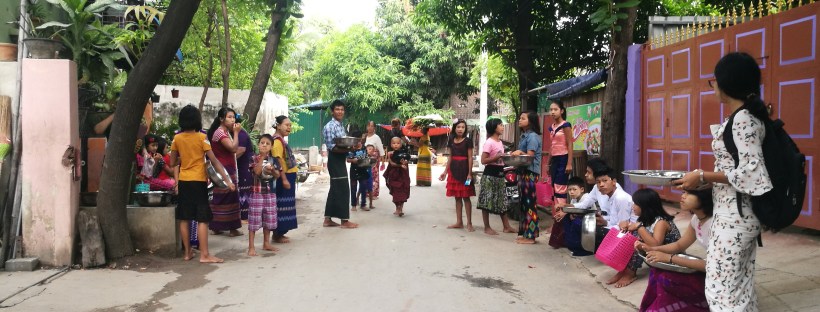
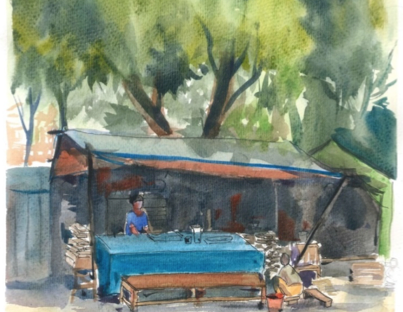
By Myat Soe Phyu            Thingazar Creek Neighbourhood is located between 22th street and 26th street from north to South and between 91st street and Thingazar East Ring Street from East to West in Thirimarlar North Ward, AungMyayThaZan Township, Mandalay city, Myanmar. Street Activity on 26th street  (Sketch by Kay Thi Hnin, Architecture Student)             The … Continue reading Moments of daily life in Thingazar Creek Neighbourhood

Being-in-common during the pandemic: Food relief networks in Metro Manila, the Philippines

Originally published at the LSE Southeast Asia Blog, we re-post this article here in full, with permission of the author, Tessa Guazon. “There is an unprecedented loss of livelihood, with informal workers and daily wage earners suffering greatly. For our women research partners from Escolta, Manila and other vulnerable sectors, the struggle to make a … Continue reading Being-in-common during the pandemic: Food relief networks in Metro Manila, the Philippines

Manila: Bottom-up resilience? Civil society responses under COVID-19

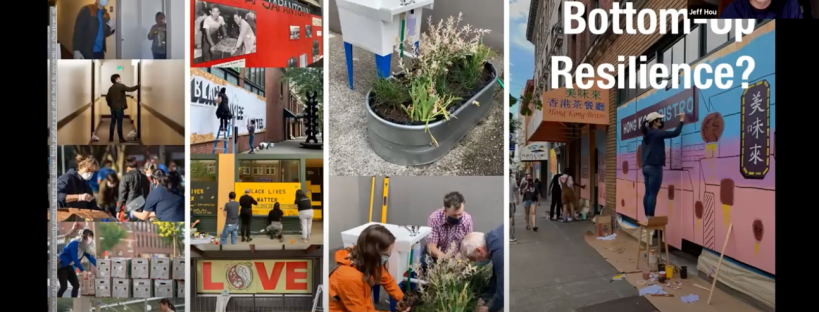
Tessa Guazon participated in the webinar "Bottom-Up Resilience? Civil Society Responses under COVID-19 (Part I)" by the APRU on bottom-up resilience in July, and wrote about the Manila team's relief efforts for its women partners from Escolta for the LSE Blog. “There is an unprecedented loss of livelihood, with informal workers and daily wage earners … Continue reading Manila: Bottom-up resilience? Civil society responses under COVID-19